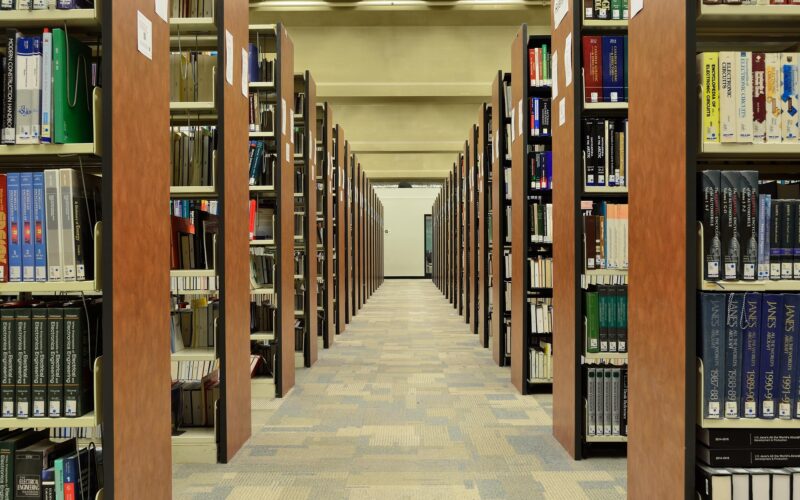
There is something quietly powerful about stepping into a library. The hushed atmosphere, the rows of books, the absence of notifications — all of it signals to your brain that it is time to concentrate. For students, remote workers, and anyone struggling to stay on task, a library offers an environment that is remarkably difficult to replicate at home or in a café.
The science behind distraction-free spaces
Focus is not purely a matter of willpower. Research in environmental psychology consistently shows that our surroundings have a direct impact on our ability to concentrate. Noise, visual clutter, and social interruptions all place demands on our cognitive resources, leaving less mental energy for the task at hand. Libraries, by design, minimise these disruptions. The expectation of silence creates a kind of social contract — everyone present has agreed, implicitly, to prioritise deep work.
How a library sets the tone for productivity
Walking into a library is, in itself, a signal. Much like changing into gym clothes can mentally prepare you for exercise, physically relocating to a library tells your brain that focused work is about to begin. Psychologists refer to this as a "contextual cue" — an environmental trigger that primes a particular behaviour. Over time, returning to the same space for study or work strengthens this association, making it progressively easier to settle into a productive state upon arrival.
Social accountability without social distraction
One of the subtler benefits of working in a library is the presence of other people who are also working. This phenomenon, known as "body doubling," has been shown to improve focus, particularly among those who find it difficult to stay motivated when working alone. Seeing others read, write, and study creates a gentle sense of accountability — without the conversational interruptions that come with working alongside friends or colleagues.
A break from digital noise
Many libraries offer dedicated quiet zones where phone use is discouraged or prohibited entirely. This built-in separation from digital devices provides a rare opportunity to work without the temptation of social media or messaging apps. Even in libraries without formal phone-free areas, the atmosphere naturally discourages the kind of idle scrolling that so easily derails concentration at home.
Accessible to almost everyone
Unlike co-working spaces or private offices, public libraries are free to use and widely available. They provide a professional, distraction-minimised environment to anyone who needs one — regardless of income, profession, or working style. Many modern libraries have expanded their facilities to include private study rooms, desktop computers, and high-speed internet, making them a genuinely competitive option for focused work.
Making the most of your library visit
To get the most from a library session, it helps to arrive with a clear plan. Knowing what you intend to accomplish removes the friction of deciding where to start, which is one of the most common causes of procrastination. Bring everything you need, silence your phone, and choose a seat away from high-traffic areas. Treat each visit as a dedicated block of focused time, and you may find that the library becomes one of the most productive places in your routine.